Dental Veneers in Costa Rica: Types, Costs, Procedure, and What to Expect
A confident smile can make a powerful first impression. If you are concerned about chipped, stained, uneven, worn, or disproportionately shaped teeth, dental veneers may offer a natural-looking way to transform your smile.At Esthetic Dent, we help local and international patients explore cosmetic treatment options based on their dental health, facial features, bite, and personal goals. Veneers are not the right solution for every tooth or every patient, which is why the process begins with a complete evaluation and personalized treatment plan.This guide explains what dental veneers are, the types available, how much veneers cost in Costa Rica, the treatment process, and what to expect before and after placement.
What Are Dental Veneers?
Dental veneers are thin, custom-made restorations bonded to the front surface of selected teeth. They are designed to improve color, shape, size, proportion, and overall smile symmetry while preserving more natural tooth structure than a full dental crown in suitable cases.Veneers are commonly considered for:· Permanently discolored or stained teeth· Chipped or worn enamel· Uneven edges· Small spaces between teeth· Irregularly shaped teeth· Teeth that appear too small or short· Mild cosmetic asymmetry· Aging or mismatched restorations on front teethBecause each veneer is individually designed, the objective is a smile that complements the patient's face rather than an artificial, one-size-fits-all result.
What Dental Veneers Cannot Correct
Veneers can improve the visible appearance of teeth, but they do not treat active decay, gum disease, infection, severe bite problems, or teeth that lack enough healthy structure.These conditions must be evaluated and treated first. In some cases, bonding, whitening, a dental crown, gum treatment, or another restorative option may provide a safer and more predictable result.Patients who grind or clench their teeth may also require additional evaluation and a protective night guard. Heavy bite forces can increase the risk of chipping, cracking, or debonding.
Types of Dental Veneers
The two principal categories are porcelain veneers and composite veneers. The best choice depends on the tooth condition, desired result, bite, maintenance expectations, and budget.
Porcelain Veneers
Porcelain veneers are thin ceramic restorations individually designed and fabricated before being bonded to the teeth. They can closely reproduce the translucency, texture, and light reflection of natural enamel.#### Advantages of porcelain veneers· Natural-looking color and translucency· Strong resistance to staining· Durable when properly planned and maintained· Precise control over tooth shape and proportions· Custom fabrication in Esthetic Dent's in-house dental laboratoryPorcelain veneers can last many years, but no restoration should be described as permanent. Longevity depends on the bite, oral hygiene, maintenance, tooth preparation, material, and habits such as grinding, smoking, or biting hard objects.At Esthetic Dent, the clinical team works directly with the in-house laboratory technicians to review shape, shade, surface texture, and fit before final placement.
Composite Veneers
Composite veneers are created with tooth-colored resin that is applied, shaped, and polished directly on the tooth.#### Advantages of composite veneers· More affordable than porcelain in many cases· Often completed in fewer appointments· May require less enamel reduction· Can usually be repaired more easily if damagedComposite is generally more susceptible to staining, wear, and surface changes than porcelain and may require more frequent polishing, maintenance, repair, or replacement.
Porcelain vs. Composite Veneers
|
|
|
|
|
|
|
|
|
|
|
|
|
|
|
|
|
|
|
|
|
The final recommendation should be based on clinical findings rather than price alone.
How Much Do Dental Veneers Cost in Costa Rica?
At Esthetic Dent, porcelain veneers are priced at $450 per tooth. Patients planning a coordinated smile transformation may also choose one of the clinic's approved Porcelain Veneers Costa Rica Packages:
|
|
|
|
|
|
|
|
|
|
Your Dental Advisor will provide a written quote based on the proposed treatment plan. Financing and payment options may be available; the Dental Advisor can explain the options that apply to the individual case.
What Is Included in the Porcelain Veneers Package?
Package inclusions depend on the selected package and final treatment plan. Esthetic Dent's international packages are designed to combine treatment with the coordination international patients need while in Costa Rica.The package page and written quote should confirm all current inclusions, which may include the approved restorative treatment, diagnostic consultation, temporary restorations when clinically required, treatment coordination, and applicable transportation services.Any treatment that is not included will be identified separately before the patient proceeds.
Dental Veneer Procedure at Esthetic Dent: Step by Step
1. Free Initial Case Review
The process can begin by completing the website form or contacting a Dental Advisor through WhatsApp, telephone, or email.Photographs or existing X-rays can be helpful, but they are not required to begin the conversation. The Dental Advisor will learn about your concerns, explain the process, and coordinate a preliminary review when records are available.This initial communication does not replace the in-person diagnostic examination.
2. Complete Diagnostic and Smile Evaluation
Before preparing any teeth, the clinical team evaluates:· Teeth and existing restorations· Gum and periodontal health· Bite and functional movements· Tooth color, shape, and proportions· Facial and smile symmetry· Patient expectations and preferred aesthetic styleThe evaluation may include a clinical examination, digital X-rays or 3D imaging when indicated, photographs, digital scans, and diagnostic models. The objective is to identify both cosmetic opportunities and conditions that could affect longevity.
3. Digital Smile Planning
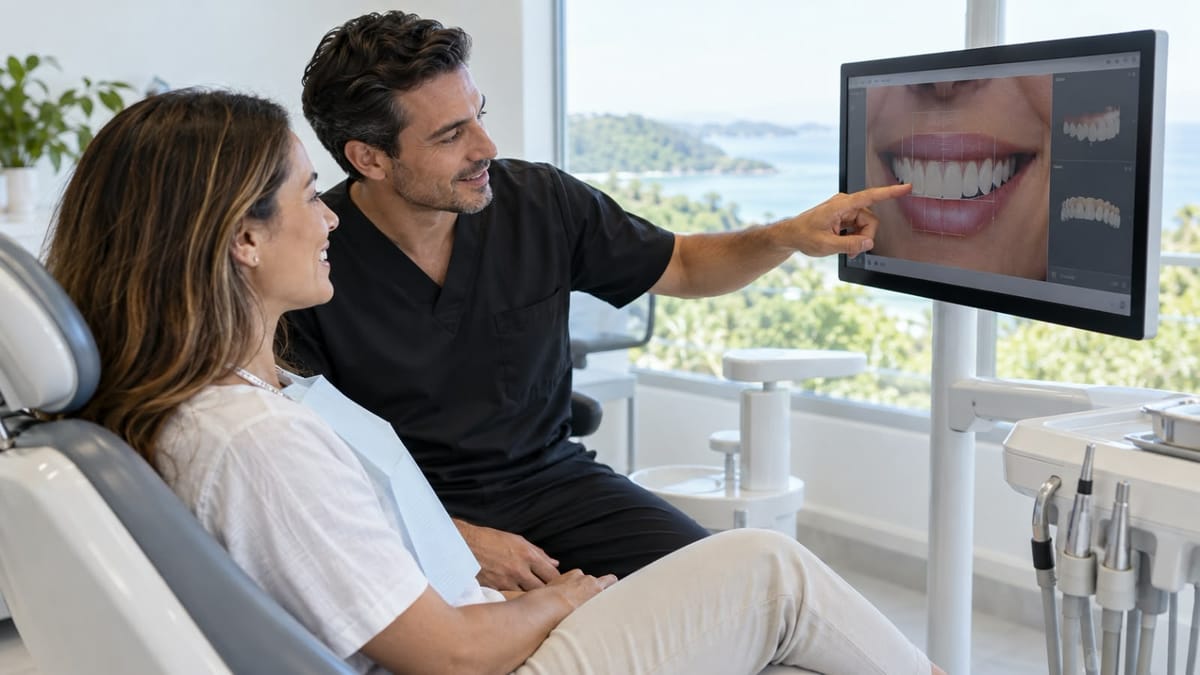
The smile is planned according to the patient's facial features, tooth display, lip movement, bite, and desired result. The patient can discuss preferences such as shade, tooth shape, symmetry, and the difference between a subtle refinement and a more noticeable transformation.Digital planning helps the dentist and laboratory communicate the intended result before the final restorations are produced.
4. Tooth Preparation and Digital Scanning
For porcelain veneers, a conservative amount of enamel may be reshaped to create space for the restoration and establish a strong, natural-looking result. The exact preparation varies by tooth and case.Veneer treatment is often irreversible when enamel is removed. This is why diagnosis, informed consent, and careful planning are essential.Instead of conventional silicone impressions, Esthetic Dent can use a Medit intraoral scanner to capture a precise digital model of the prepared teeth and surrounding tissues.
5. Temporary Veneers
Temporary restorations may be placed when clinically required while the final porcelain veneers are created. Temporaries help protect prepared teeth and allow the patient to preview important aspects of the proposed smile.Temporary veneers are not as strong or polished as the final restorations, so the care instructions provided by the dental team must be followed.
6. In-House Laboratory Fabrication
The digital design is communicated directly to Esthetic Dent's in-house laboratory. Having the clinical and technical teams in the same building supports closer review of shade, shape, fit, and surface characterization.The patient may have the opportunity to review the design and appearance before final bonding, depending on the stage of treatment and clinical protocol.
7. Try-In, Final Approval, and Bonding
Before final placement, the dentist evaluates the veneers for:· Fit and margins· Shape and proportions· Shade and translucency· Smile harmony· Contact between teeth· Bite and comfortOnce the clinical requirements are met and the appearance is approved, the teeth and veneers are carefully prepared and bonded. The bite is checked again, and final adjustments and polishing are completed.
8. Final Review and Follow-Up
The team provides instructions for cleaning, eating, and protecting the new restorations. Esthetic Dent also follows up with patients during recovery and after treatment, including international patients who have returned home.If the bite feels uneven, a veneer feels loose, or there is persistent discomfort, the clinic should be contacted promptly.
How Long Should International Patients Stay in Costa Rica?
Veneer treatment schedules depend on the number of restorations and the complexity of the case.Restorative treatments involving one to five units require approximately five business days, and treatments involving six or more units require approximately nine business days. Arrival and departure days should be added separately. Your Dental Advisor will confirm the treatment schedule before you book your flights.
Are Dental Veneers Right for You?
Veneers may be appropriate when the teeth and gums are healthy and the main concerns involve color, shape, proportion, minor spacing, wear, or visible imperfections.A suitable candidate generally has:· Healthy teeth or dental conditions that can be treated first· Stable gum health· Enough enamel and tooth structure for bonding· A bite that can support the restorations· Realistic expectations· A commitment to hygiene and maintenanceVeneers may not be the first choice when there is active decay, untreated gum disease, insufficient tooth structure, severe grinding, or a bite that places excessive force on the proposed restorations.
How to Care for Dental Veneers
Veneers require the same consistent care as natural teeth:· Brush thoroughly with a non-abrasive toothpaste· Floss every day around each veneer· Attend professional cleanings and examinations as recommended· Avoid using teeth to open packages or bite very hard objects· Do not chew ice· Wear a protective night guard if prescribed· Contact the clinic if the bite changes or a restoration feels damagedThe tooth underneath and the gum around a veneer can still develop disease, so good hygiene remains essential.
Why Choose Esthetic Dent for Porcelain Veneers in Costa Rica?
Esthetic Dent combines cosmetic planning, restorative dentistry, digital technology, and laboratory production within one coordinated team.Patients benefit from:· More than 35 years treating local and international patients· Experienced dental specialists· Personalized treatment planning· Digital scans and smile design· An in-house laboratory· Direct communication between the dentist and dental ceramist· Custom porcelain restorations· Authentic before-and-after cases· A written treatment plan and quote· A Dental Advisor and travel coordination for international patients· Follow-up after treatmentThe goal is not simply to create whiter teeth. It is to design a balanced, natural-looking smile that supports oral health, function, and long-term confidence.
Request Your Veneer Consultation
If you are considering porcelain veneers in Costa Rica, Esthetic Dent can help you understand whether veneers are appropriate, how many teeth may be involved, and what result can realistically be achieved.Contact the clinic through the website form, WhatsApp, international telephone number, or email to speak with a Dental Advisor and request a free initial consultation.
Frequently Asked Questions About Dental Veneers
What are dental veneers, and what can they improve?
Veneers are thin porcelain or composite restorations placed over the visible front surface of selected teeth. They can improve discoloration, chips, wear, uneven edges, small spaces, tooth proportions, and mild cosmetic asymmetry.
What types of dental veneers are available?
The two principal types are porcelain and composite veneers. Porcelain generally offers greater stain resistance and long-term aesthetic stability, while composite is often more affordable, may require less tooth reduction, and can be easier to repair.
How long do dental veneers last?
There is no guaranteed lifespan for every veneer. Porcelain veneers commonly last many years when they are carefully planned, bonded, and maintained. Composite veneers generally require more frequent maintenance. Bite forces, hygiene, grinding, diet, smoking, trauma, and routine professional care all affect longevity.
What is the process for getting porcelain veneers?
The process normally includes a diagnostic evaluation, smile planning, conservative tooth preparation when required, digital scanning, temporary restorations when indicated, in-house laboratory fabrication, a try-in, final approval, bonding, bite adjustment, and follow-up.
Are dental veneers right for everyone?
No. Veneers should not be placed over active decay, gum disease, or untreated infection. Teeth with extensive structural damage may require crowns, while some cosmetic concerns may be treated more conservatively. A complete clinical evaluation is necessary.
Is getting veneers painful?
Local anesthesia can be used when tooth preparation is required. Some patients experience temporary sensitivity after preparation or bonding, but the level of discomfort varies. Persistent or increasing pain should be reported to the clinic.
Can porcelain veneers stain?
Porcelain is highly resistant to staining, but the natural teeth and the margins around the veneers can still discolor. Composite veneers are more susceptible to surface staining and may require periodic polishing.
Can I choose the color and shape of my veneers?
Yes. Shade, shape, length, texture, and overall style are discussed during smile planning. The dental team will also recommend proportions that complement the face, lips, gums, bite, and surrounding natural teeth.
Keep reading
Dental Implants for People With Diabetes: What You Need to Know
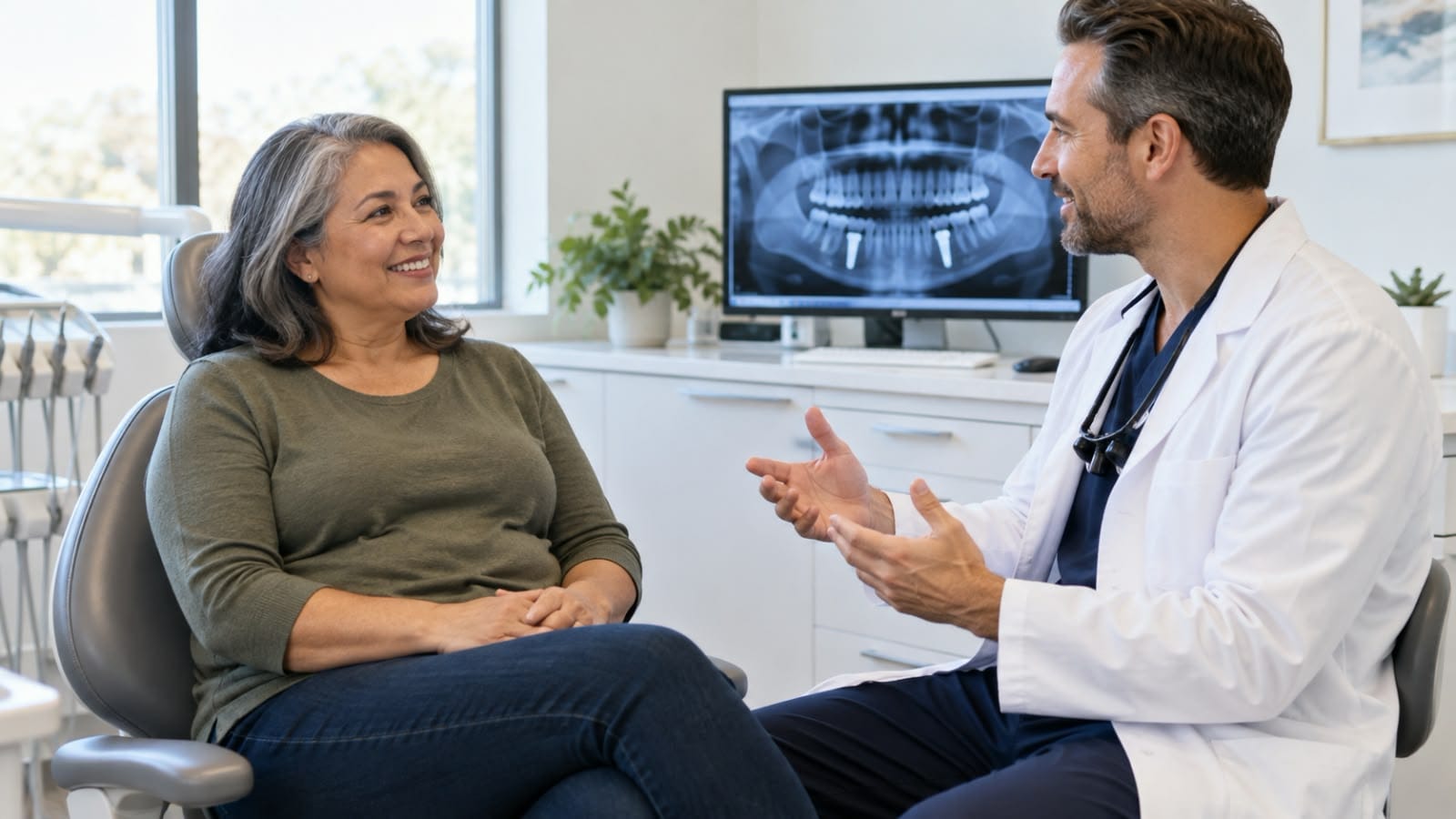
Having diabetes does not automatically prevent you from receiving dental implants. Many people with well-managed diabetes can be considered for implant treatment after an individualized clinical and medical evaluation. What matters most is not the diagnosis alone. Your current glucose control, gum and bone health, medications, healing history, smoking status, nutrition, and other medical conditio
Titanium vs. Zirconia Dental Implants: Which Is the Better Choice?
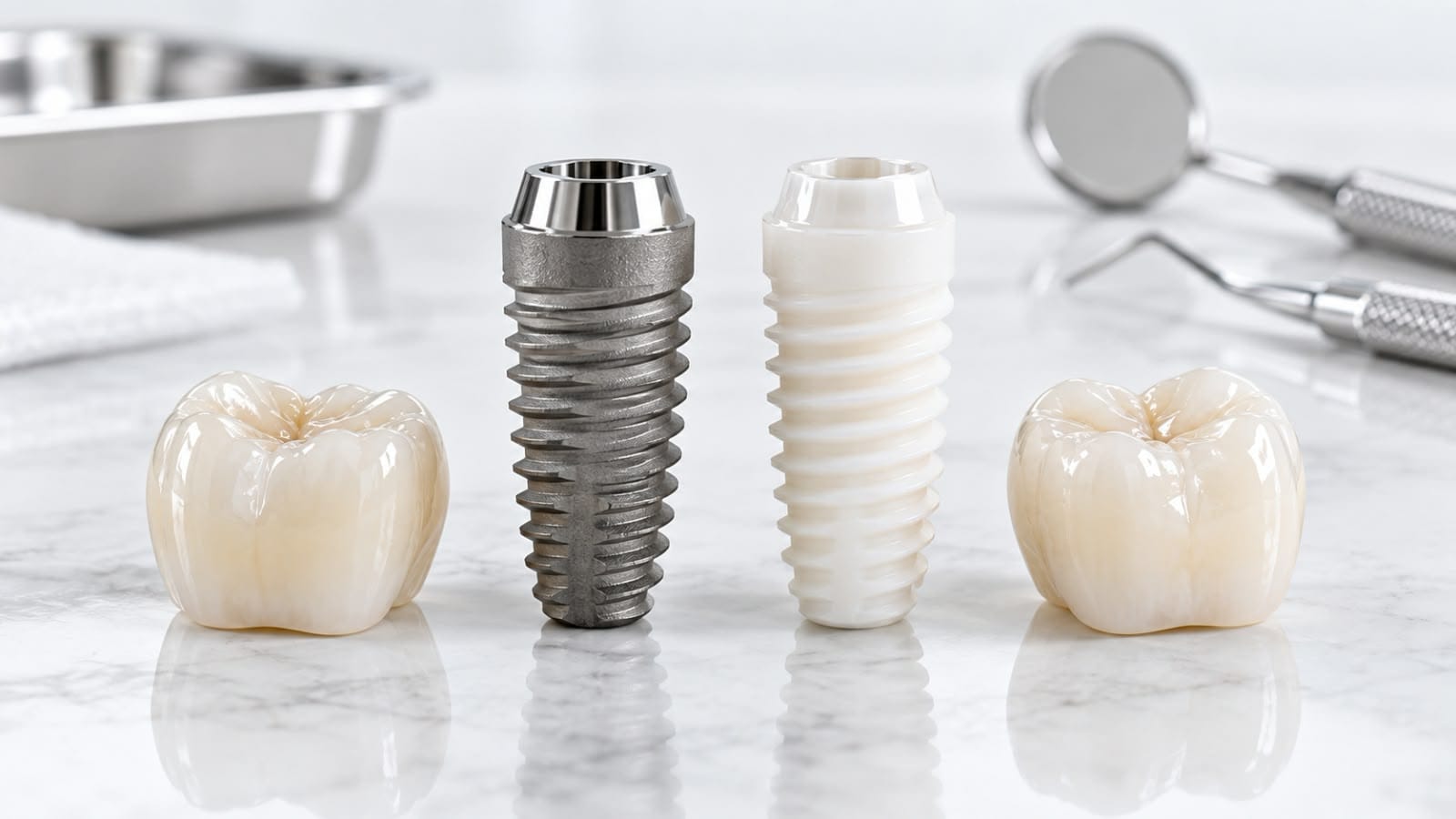
Dental implants can replace missing teeth with a fixed foundation designed to integrate with the jawbone. Most implant systems are made from titanium or zirconium oxide, commonly called zirconia. Both materials are biocompatible and used in dentistry, but they do not have the same clinical history, design flexibility, or volume of long-term evidence.For most patients and for many complex restorati

Blood Thinners and Dental Treatment: What You Need to Know Before You Travel
If you take a blood thinner and are planning dental treatment, you may be concerned about bleeding during or after your procedure. In many cases, taking this type of medication does not prevent you from receiving dental care. It simply means that your dentist needs accurate medical information and enough time to plan safely.Most important: Never stop, skip, delay, or change a prescribed blood thin