
Dental Implants for People With Diabetes: What You Need to Know
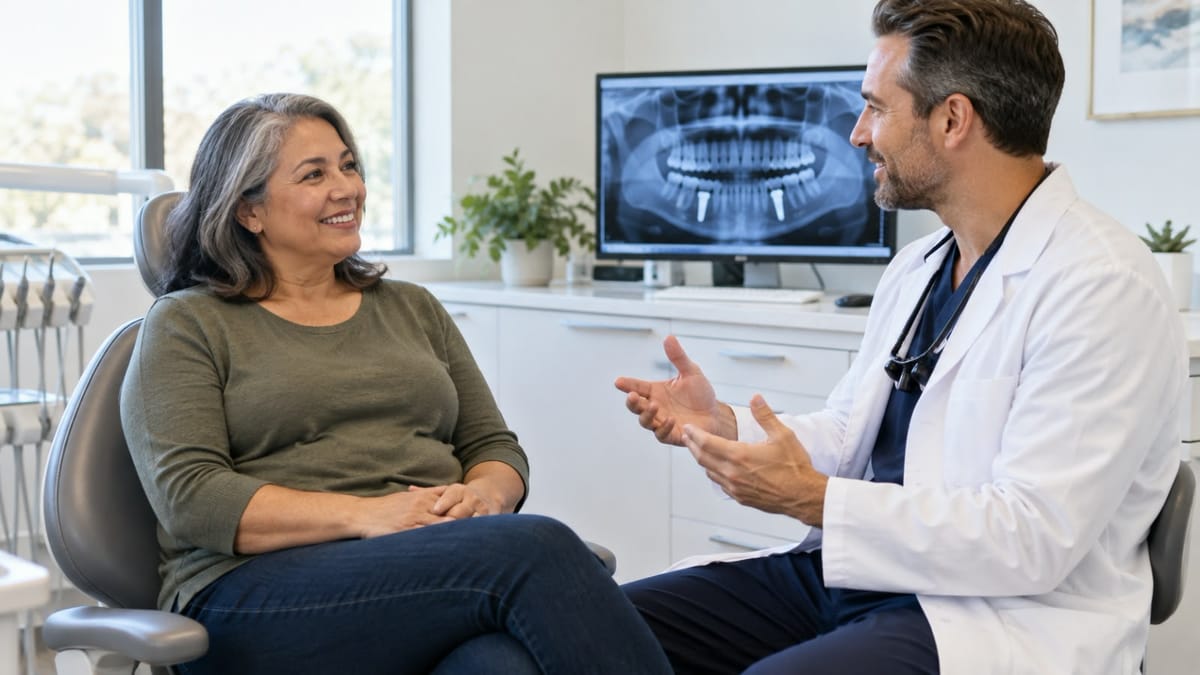
Having diabetes does not automatically prevent you from receiving dental implants. Many people with well-managed diabetes can be considered for implant treatment after an individualized clinical and medical evaluation.
What matters most is not the diagnosis alone. Your current glucose control, gum and bone health, medications, healing history, smoking status, nutrition, and other medical conditions all help determine whether implant surgery can be performed safely and predictably.
Key takeaway: Dental implants can be a realistic option for many patients with diabetes, but treatment should be planned around the individual—not a single laboratory number. Poorly controlled diabetes can delay healing and increase the risk of peri-implant inflammation and implant complications.
How Diabetes Can Affect Dental Implant Healing
A dental implant must integrate with the surrounding jawbone through a biological process called osseointegration. Persistently elevated blood glucose can affect circulation, immune response, inflammation, and tissue repair. As a result, healing may be slower and the tissues around an implant may be more vulnerable to infection or inflammation.
· Slower or less predictable osseointegration
· Delayed healing of the gum and surgical site
· Greater susceptibility to infection
· Higher risk of peri-implant inflammation and bone loss
· A greater need for structured maintenance and follow-up
These risks are not the same for every person with diabetes. Evidence consistently supports careful risk assessment, with better outcomes generally reported when glycemic control and oral hygiene are well managed.
What Does HbA1c Tell Us?
HbA1c, also called A1C, estimates your average blood glucose over approximately the previous two to three months. It is one of several factors used to evaluate readiness for implant surgery.
An A1C below 7% is a common treatment goal for many nonpregnant adults with diabetes, but goals are individualized by the patient’s medical provider. It is not a universal dental-implant cutoff. Research has reported high short-term implant survival among many patients with A1C values below 8%, while worsening peri-implant indicators and slower osseointegration have been observed as glycemic control declines, particularly above 8%.
Important: Do not change diabetes medication or try to rapidly lower your glucose solely to meet a dental target. Your physician should determine the A1C range that is safe and appropriate for you. Esthetic Dent will evaluate that information together with your complete health profile.
Are You a Candidate?
Candidacy is determined case by case. A favorable evaluation commonly includes stable diabetes management, adequate bone or a suitable grafting plan, healthy or treatable gums, good daily oral hygiene, and the ability to attend follow-up care.
The dental team may ask about:
· Your type of diabetes and how long you have had it
· Your most recent A1C result and day-to-day glucose pattern
· Episodes of hypoglycemia or severe hyperglycemia
· Insulin, oral medications, GLP-1 medications, and other prescriptions
· Kidney, cardiovascular, circulation, nerve, or immune complications
· Previous problems with infection or delayed wound healing
· Current gum disease, dry mouth, or history of peri-implantitis
· Smoking or nicotine use, which can add another significant healing risk
If diabetes is unstable or poorly controlled, elective implant treatment may need to be postponed while you work with your physician. A delay is not necessarily a permanent rejection; it may be a safety step that improves the likelihood of successful healing.
Planning Before You Travel to Costa Rica
International patients should share their medical information before booking surgery. This gives the dental team time to review the case, request medical clearance when appropriate, and coordinate the treatment schedule with travel and recovery needs.
· Send your recent A1C and relevant laboratory results if requested.
· Provide a complete medication and supplement list, including exact doses.
· Tell us about continuous glucose monitors, insulin pumps, or injectable medications.
· Ask your physician whether your diabetes is stable enough for elective oral surgery and travel.
· Bring more medication and testing supplies than you expect to need, stored according to the manufacturer’s instructions.
· Keep essential medication, glucose supplies, and a fast-acting carbohydrate in your carry-on luggage.
Travel planning: Never stop insulin or diabetes medication unless the prescribing clinician gives you specific instructions. Travel, fasting, sedation, changes in meals, and postoperative soft-food diets can all affect glucose management.
The Day of Implant Surgery
Follow the individualized instructions provided by the dental team and your physician. Unless you have been instructed to fast for sedation or another clinical reason, patients with diabetes are commonly advised to eat normally and take scheduled medication. Any medication adjustment should be coordinated with the prescribing clinician.
Morning appointments may be considered, and the timing of insulin or other glucose-lowering medication may influence scheduling. The team may check that you have eaten, taken medications as directed, and have a plan for preventing and treating hypoglycemia.
Recovery and Postoperative Care
Stable glucose, adequate nutrition, hydration, and meticulous oral hygiene support healing. Your postoperative plan will be based on the procedure and your medical history.
· Monitor your glucose as directed, especially if your food intake or activity changes.
· Follow the prescribed soft-food plan without skipping needed nutrition.
· Take antibiotics, rinses, or other medication only as prescribed.
· Do not smoke or use nicotine during healing.
· Keep the surgical area clean according to the instructions provided.
· Attend every postoperative check and long-term maintenance appointment.
Antibiotics are not automatically required simply because a patient has diabetes. The surgeon will decide whether they are appropriate based on the procedure, infection risk, allergies, and individual health factors.
When to Contact the Dental or Medical Team
Contact the clinic promptly if you develop increasing swelling, persistent or worsening pain, fever, pus, uncontrolled bleeding, a bad taste that does not improve, or concern that an implant or temporary restoration is moving.
Seek urgent medical assistance for severe hypoglycemia, confusion, fainting, difficulty breathing, chest pain, signs of a serious allergic reaction, or persistently dangerous glucose readings according to your physician’s emergency plan.
What Success Can Patients With Diabetes Expect?
Studies and professional guidance indicate that implant treatment can achieve high survival rates in people with well-controlled diabetes. Some research reports outcomes comparable to those of patients without diabetes, particularly with good glucose control, careful planning, and regular maintenance.
However, it is more accurate to say that good control improves the outlook than to promise identical success rates. Evidence varies, follow-up periods differ, and implant survival is not the same as complete absence of inflammation, bone loss, or future complications. No clinic can guarantee a biological outcome for every patient.
Long-term success: Implant care continues after the crown or full-arch restoration is delivered. Professional cleanings, peri-implant examinations, home care, glucose management, and early attention to inflammation are essential.
How Esthetic Dent Approaches Implant Care
At Esthetic Dent, each implant case begins with a personalized evaluation of your dental condition and medical history. For patients with diabetes, that may include reviewing recent laboratory information and coordinating with the physician who manages your condition before confirming surgery.
Our goal is to build a treatment and travel plan that protects healing while making your care in Costa Rica clear and manageable from the first consultation through long-term follow-up.
Keep reading
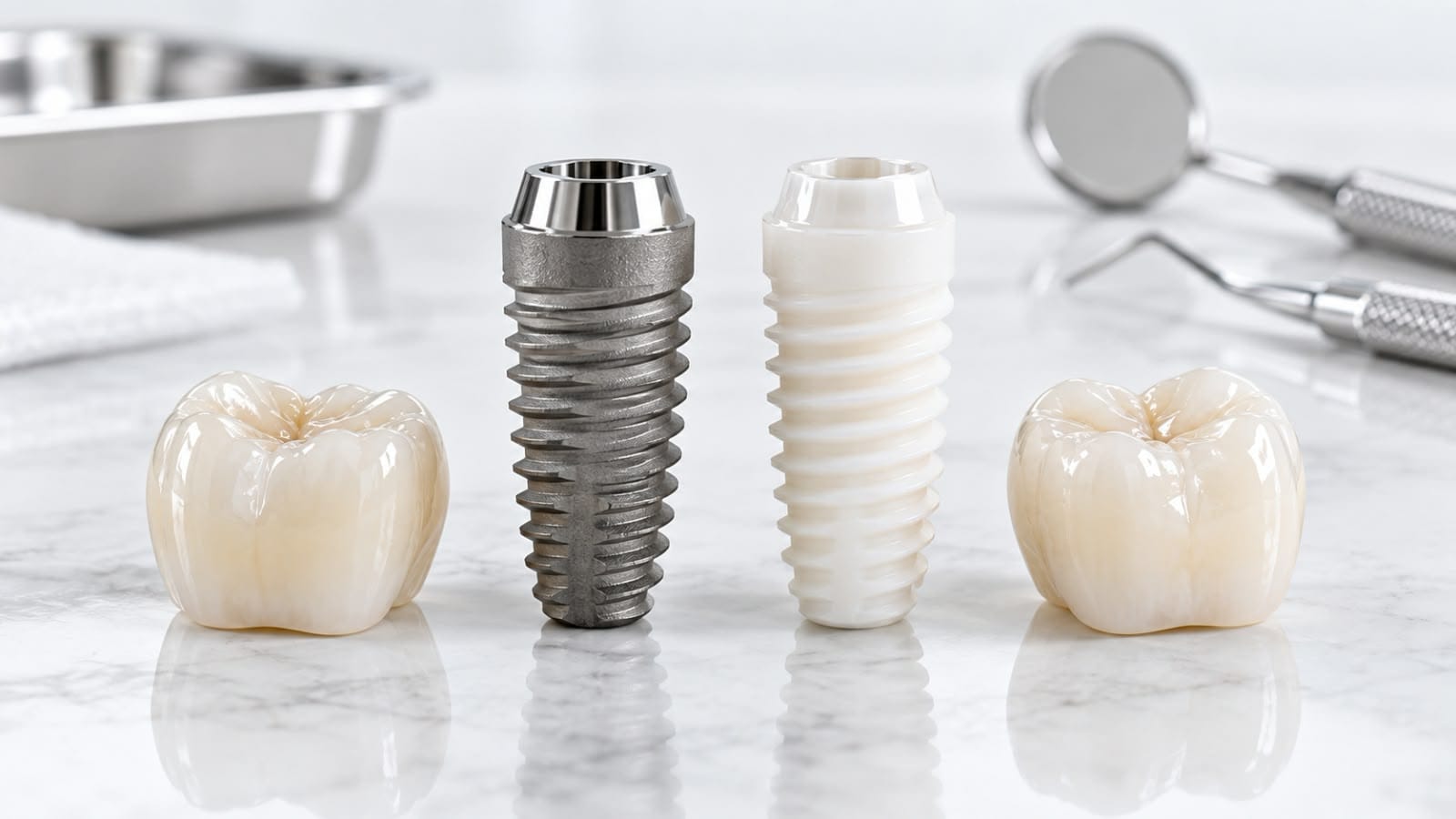
Titanium vs. Zirconia Dental Implants: Which Is the Better Choice?
Dental implants can replace missing teeth with a fixed foundation designed to integrate with the jawbone. Most implant systems are made from titanium or zirconium oxide, commonly called zirconia. Both materials are biocompatible and used in dentistry, but they do not have the same clinical history, design flexibility, or volume of long-term evidence.For most patients and for many complex restorati

Blood Thinners and Dental Treatment: What You Need to Know Before You Travel
If you take a blood thinner and are planning dental treatment, you may be concerned about bleeding during or after your procedure. In many cases, taking this type of medication does not prevent you from receiving dental care. It simply means that your dentist needs accurate medical information and enough time to plan safely.Most important: Never stop, skip, delay, or change a prescribed blood thin
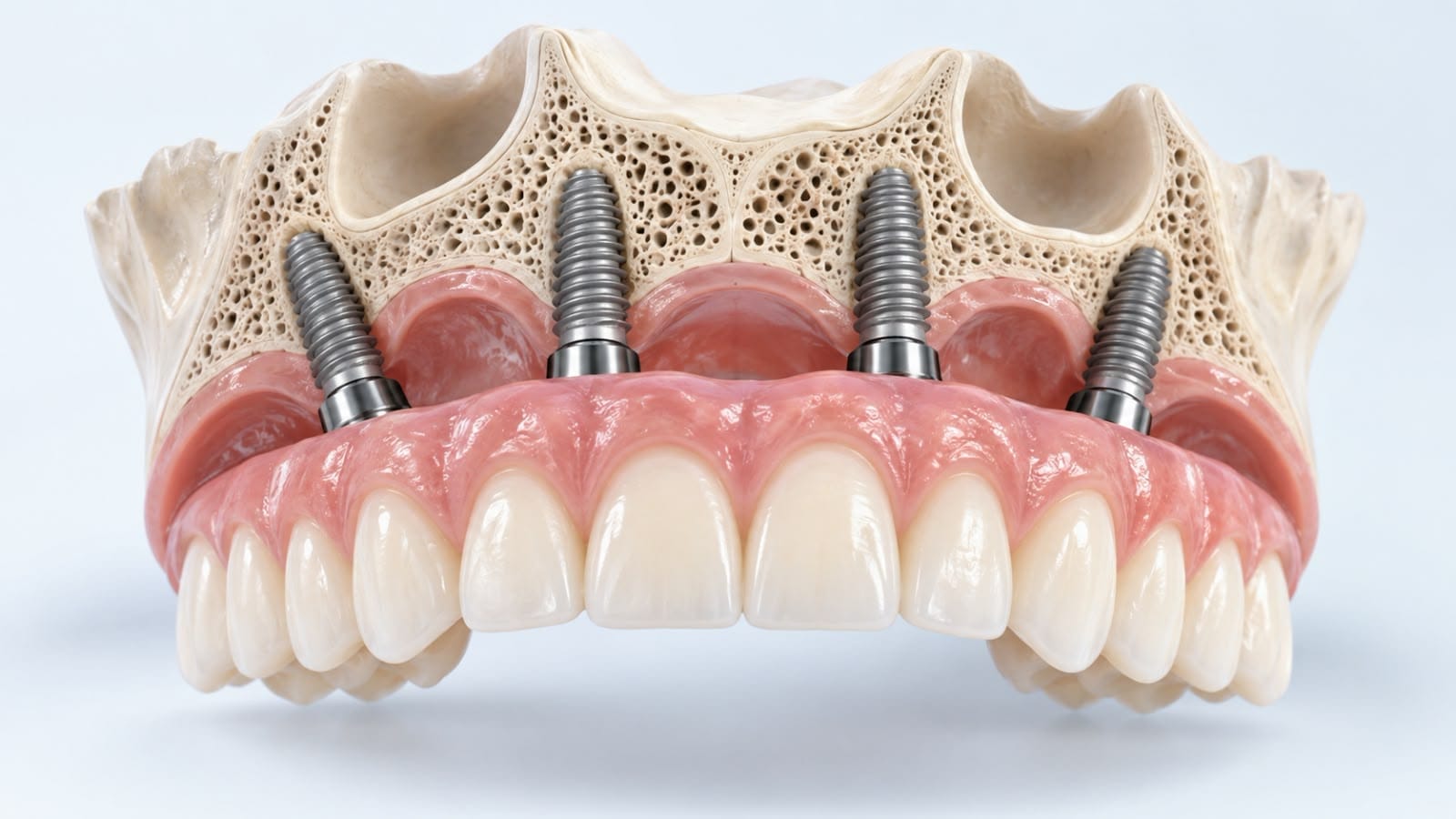
All-on-4® Dental Implants in Costa Rica: Cost, Procedure, Recovery, and What to Know
Patients who have lost most or all of their teeth—or whose remaining teeth cannot be predictably restored—often want an alternative to a conventional removable denture. The All-on-4® treatment concept uses four strategically positioned dental implants to support a complete fixed arch of replacement teeth. For suitable patients, it can restore the upper jaw, lower jaw, or both arches with fewer im