
Blood Thinners and Dental Treatment: What You Need to Know Before You Travel

If you take a blood thinner and are planning dental treatment, you may be concerned about bleeding during or after your procedure. In many cases, taking this type of medication does not prevent you from receiving dental care. It simply means that your dentist needs accurate medical information and enough time to plan safely.Most important: Never stop, skip, delay, or change a prescribed blood thinner on your own. Any medication adjustment must be authorized by the healthcare provider who prescribed it and coordinated with your dental team.
What Are Blood Thinners?
“Blood thinner” is an everyday term for medications that reduce the formation of blood clots. They may be prescribed to help prevent a stroke, heart attack, deep vein thrombosis, pulmonary embolism, or complications associated with certain heart conditions.These medications do not all work in the same way. Your dental team needs the exact name, dosage, schedule, and reason each medication was prescribed.
Common Types of Blood-Thinning Medication
Anticoagulants
Anticoagulants interfere with different parts of the blood-clotting process. Common examples include:· Warfarin (Coumadin®)· Apixaban (Eliquis®)· Rivaroxaban (Xarelto®)· Dabigatran (Pradaxa®)· Edoxaban (Savaysa®)· Injectable anticoagulants such as enoxaparin (Lovenox®)
Antiplatelet Medications
Antiplatelet medications reduce the ability of platelets to stick together. Common examples include:· Aspirin· Clopidogrel (Plavix®)· Ticagrelor (Brilinta®)· Prasugrel (Effient®)Some patients take more than one medication that affects clotting. Vitamins, herbal products, anti-inflammatory medications, and other prescriptions may also influence bleeding, so provide a complete list rather than mentioning only the primary blood thinner.
Can You Have Dental Treatment While Taking Blood Thinners?
In many cases, yes. Routine dental care and many minor surgical procedures can often be completed without interrupting anticoagulant or antiplatelet therapy. The appropriate plan depends on the medication, the patient’s medical condition, and the expected bleeding risk of the dental procedure.Implant placement, multiple extractions, bone grafting, sinus surgery, and periodontal surgery may require additional planning. More extensive treatment does not automatically mean that medication must be stopped.
Why Stopping Medication Can Be Dangerous
Blood thinners are prescribed for an important medical reason. Interrupting them without supervision can increase the risk of a serious blood clot, stroke, heart attack, pulmonary embolism, or complication involving a heart valve or coronary stent.For many patients, the medical risk of stopping the medication is more serious than the dental bleeding that may occur while continuing it. Dental bleeding can often be controlled with local measures.Do not make this decision alone: If a change is considered necessary, the dentist and the prescribing physician, cardiologist, or other healthcare provider must determine the safest plan for the individual patient.
How Your Dental Team Evaluates Risk
Before recommending treatment, the clinical team considers:· The name, dosage, and schedule of every medication· Why the medication was prescribed· The planned dental procedure and expected bleeding risk· Kidney or liver disease and other medical conditions· Previous bleeding problems· Other prescriptions, over-the-counter medications, vitamins, and supplements· Whether medical consultation or additional testing is neededPatients taking warfarin may be asked to provide a recent INR result. The required timing and acceptable range must be determined by the treating dentist and the medical professional managing the medication.
How Bleeding Is Managed During Dental Treatment
When dental care is appropriate, the team may use local measures to control bleeding and protect the surgical area. Depending on the case, these may include:· Firm pressure with sterile gauze· Sutures· Local hemostatic materials· Careful, minimally traumatic surgical technique· Staging extensive treatment when clinically appropriate· Observation until bleeding is controlled· Written postoperative instructions and emergency contact informationThe exact protocol depends on the procedure and the patient’s individual medical risk.
Before Traveling to Costa Rica
If you are planning treatment with Esthetic Dent, tell your Dental Advisor about blood-thinning medication during the initial consultation—not after you arrive.Provide the following information as early as possible:· The exact name of each medication· The prescribed dose and the time it is normally taken· The medical condition for which it was prescribed· The name and contact information of the prescribing healthcare provider· The date of any recent blood tests or medical evaluations· A complete list of other medications and supplements· Any history of unusual or prolonged bleedingTravel planning note: Do not purchase nonrefundable flights or make medication changes until the clinical team has reviewed the available information and confirmed the estimated treatment schedule.
Will Esthetic Dent Contact My Physician?
Some patients can be evaluated using their medication list and medical history. Others may need medical clearance, recent laboratory results, or direct coordination with the prescribing physician or cardiologist.If consultation is necessary, the clinical team may request permission to exchange relevant medical information. International patients should allow enough time for this process before traveling.
What Happens on the Day of Treatment?
1. Confirm the medication taken, dose, and time of the most recent dose.2. Review any medical instructions or laboratory results requested before treatment.3. Complete the clinical evaluation and confirm the treatment plan.4. Explain the expected bleeding risk and postoperative care.5. Use the appropriate local measures during treatment.6. Confirm that bleeding is controlled before discharge.7. Provide written instructions and contact information for concerns.
After Dental Surgery
Follow the instructions provided for gauze pressure, food, oral hygiene, activity, and prescribed medication. Avoid adding aspirin, ibuprofen, naproxen, herbal products, or other medications unless they have been approved for your case, because some can further affect bleeding.Do not rinse forcefully, spit repeatedly, smoke, use a straw, or disturb the surgical area unless your postoperative instructions specifically say otherwise.
When Should You Contact the Clinic?
Some mild oozing can occur after procedures that involve the gums or bone. Contact Esthetic Dent if bleeding concerns you, increases instead of decreasing, or does not respond to the pressure instructions provided by the clinical team.Seek urgent medical attention for heavy or uncontrolled bleeding, difficulty breathing or swallowing, rapidly increasing swelling, fainting, severe weakness, chest pain, symptoms of a stroke, or any other severe or unexpected symptom.
Blood Thinners and Dental Implants
Taking a blood thinner does not automatically disqualify a patient from receiving dental implants. Implant candidacy depends on the complete medical evaluation, oral health, bone anatomy, planned surgery, ability to heal, smoking status, and other individual factors.The treatment plan may involve medical coordination, careful surgical timing, local bleeding-control measures, staged care, and additional follow-up. No online article or remote consultation can determine whether implant surgery is appropriate for a particular patient.
Safe Treatment Begins Before the Flight
The safest approach is to disclose every medication early, provide requested medical information, and allow the dental and medical teams to coordinate when necessary.If you take warfarin, a direct oral anticoagulant, aspirin, clopidogrel, or another medication that affects bleeding, tell your Esthetic Dent Dental Advisor before booking your trip. The clinical team will explain what information is required and whether additional medical review is needed.
Frequently Asked Questions About Blood Thinners and Dental Care
Do I have to stop my blood thinner before a dental procedure?
Not necessarily. Many dental procedures can be completed without interrupting anticoagulant or antiplatelet medication. Never stop or alter it without authorization from the healthcare provider who prescribed it.
Can I receive dental implants while taking Eliquis or Xarelto?
Possibly. The decision depends on the planned surgery, dosage schedule, kidney function, other medical conditions, and individual bleeding risk. Your dentist may coordinate with the prescribing physician.
Can I have a tooth extracted while taking warfarin?
Many extractions can be performed while warfarin is continued when the INR is within an appropriate therapeutic range and local bleeding-control measures are used. Your clinical team will determine whether a recent INR is required.
Is aspirin important to mention?
Yes. Aspirin affects platelet function and must be included in your medication list, even when it was purchased without a prescription.
Should I skip my morning dose before treatment?
Do not skip or delay a dose unless you receive specific instructions coordinated by the treating dentist and prescribing healthcare provider.
What information should I send before traveling?
Send the medication name, dose, schedule, reason it was prescribed, prescribing provider’s contact information, relevant medical history, and any test results requested by the clinical team.
Keep reading

Dental Implants for People With Diabetes: What You Need to Know
Having diabetes does not automatically prevent you from receiving dental implants. Many people with well-managed diabetes can be considered for implant treatment after an individualized clinical and medical evaluation. What matters most is not the diagnosis alone. Your current glucose control, gum and bone health, medications, healing history, smoking status, nutrition, and other medical conditio
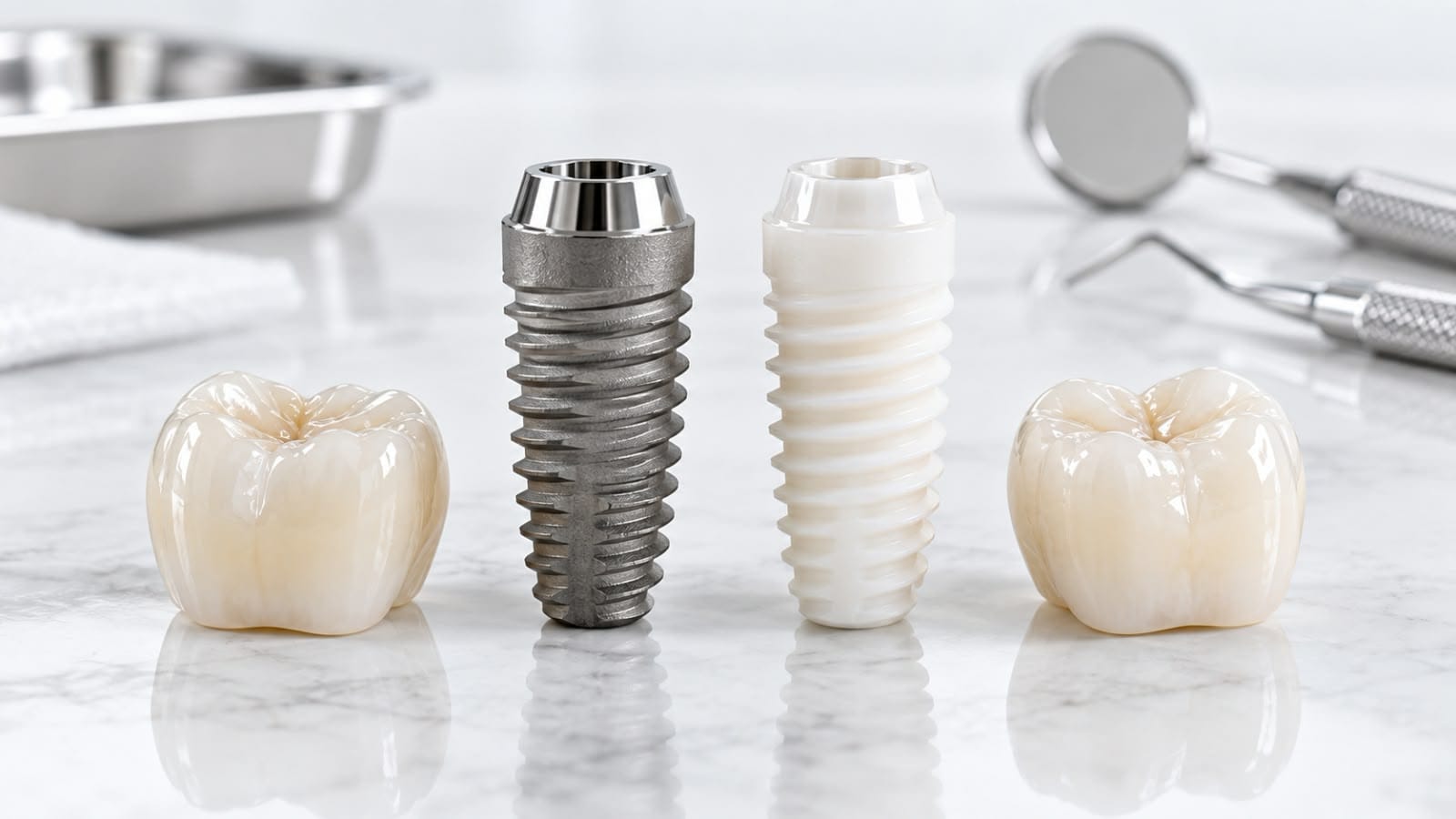
Titanium vs. Zirconia Dental Implants: Which Is the Better Choice?
Dental implants can replace missing teeth with a fixed foundation designed to integrate with the jawbone. Most implant systems are made from titanium or zirconium oxide, commonly called zirconia. Both materials are biocompatible and used in dentistry, but they do not have the same clinical history, design flexibility, or volume of long-term evidence.For most patients and for many complex restorati
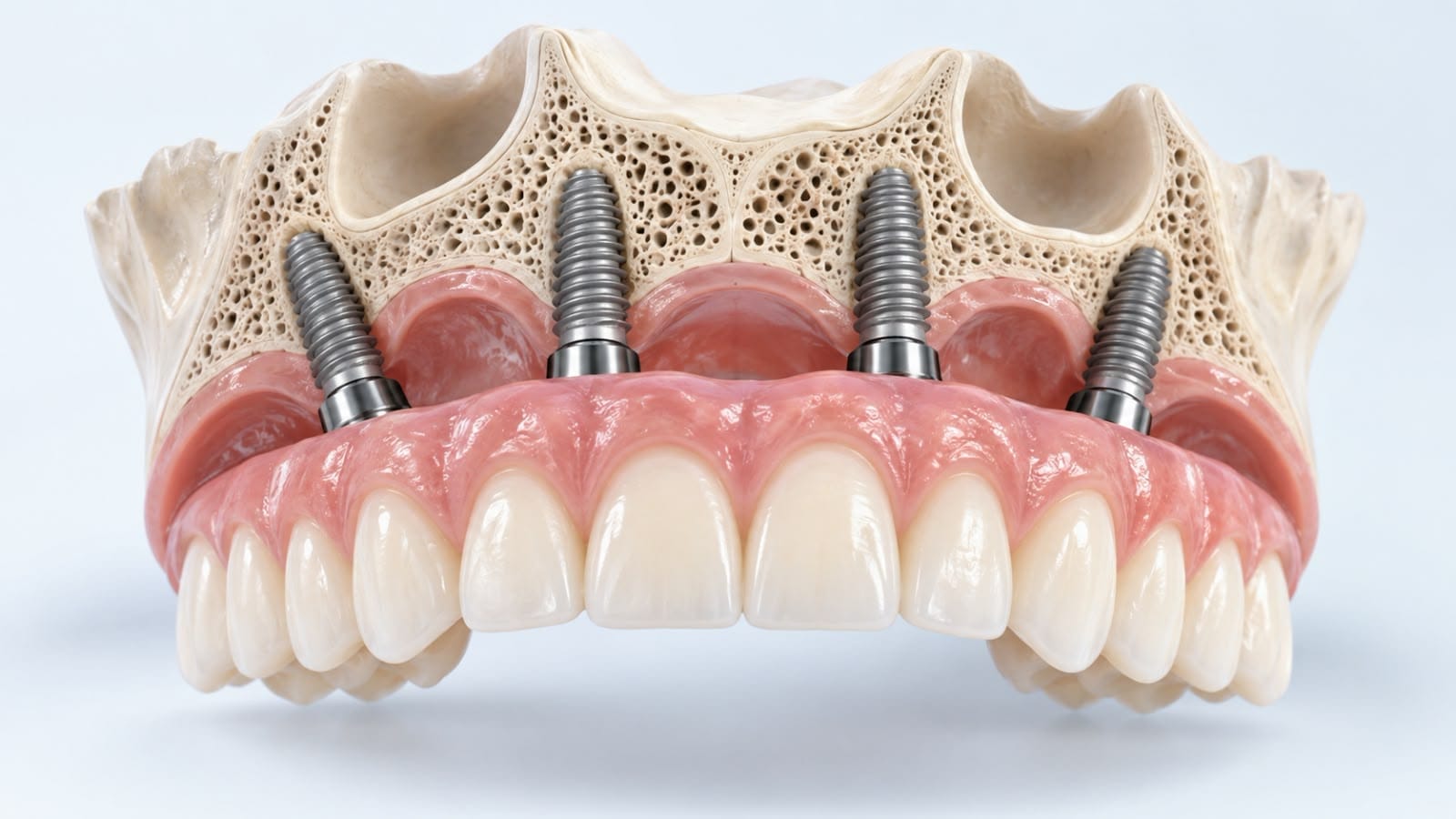
All-on-4® Dental Implants in Costa Rica: Cost, Procedure, Recovery, and What to Know
Patients who have lost most or all of their teeth—or whose remaining teeth cannot be predictably restored—often want an alternative to a conventional removable denture. The All-on-4® treatment concept uses four strategically positioned dental implants to support a complete fixed arch of replacement teeth. For suitable patients, it can restore the upper jaw, lower jaw, or both arches with fewer im